
Sharing Your Story
Resources for people with lived experience

As someone living with dementia or as a care partner, your story and your perspective is important to share. We know that public speaking can be really intimidating!
The ACTC Research Partnership Alliance has assembled this toolkit to gather the right information, advocate for what you need, and feel ready to share your perspective.
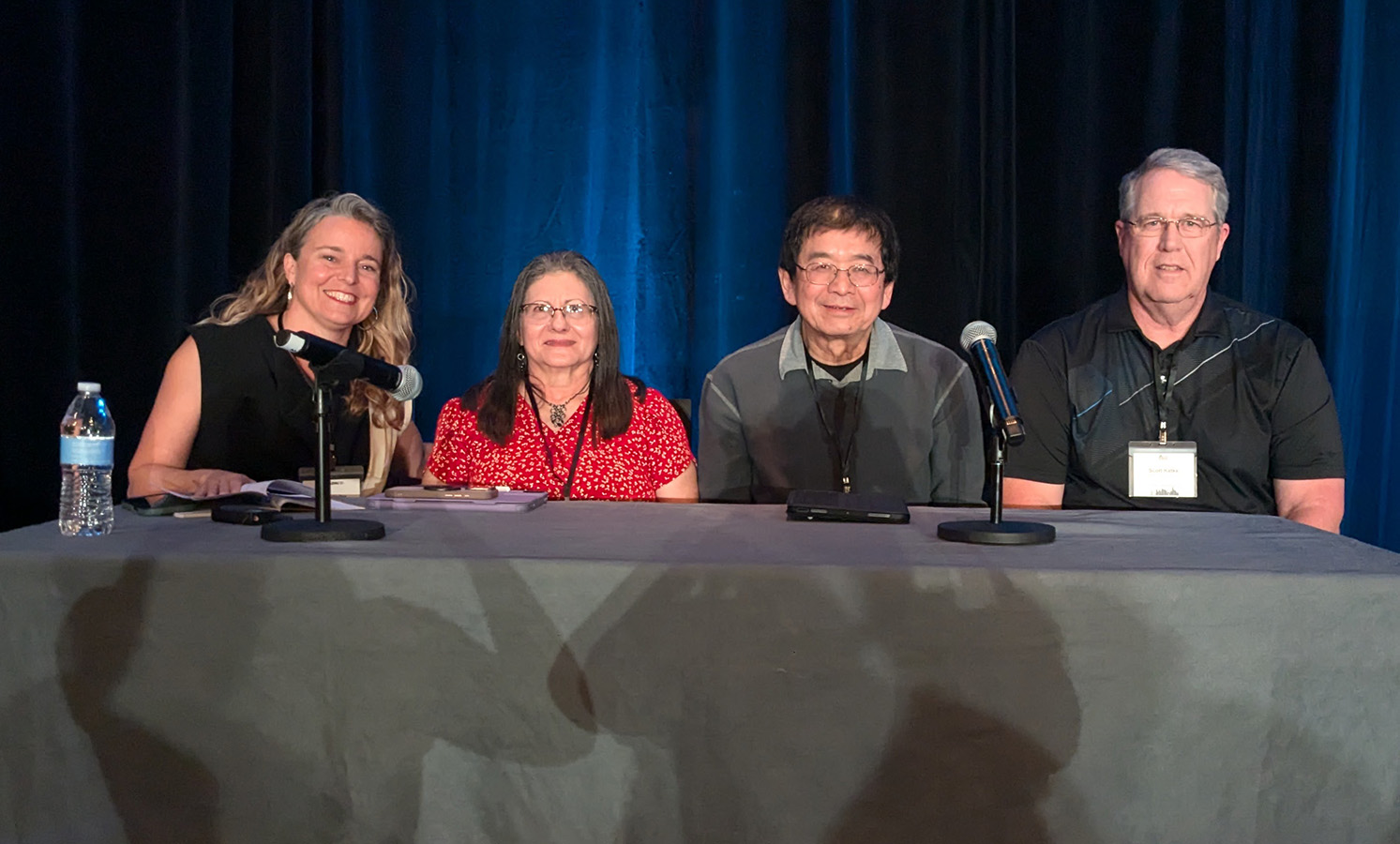
Preparing Your Story
Speaker's Request Form
Watch the Tutorial Video: An Invitation to Speak
An Invitation to Speak
Get Ready!
Get Set. Go!
By Rev. Dr. Cynthia Huling Hummel
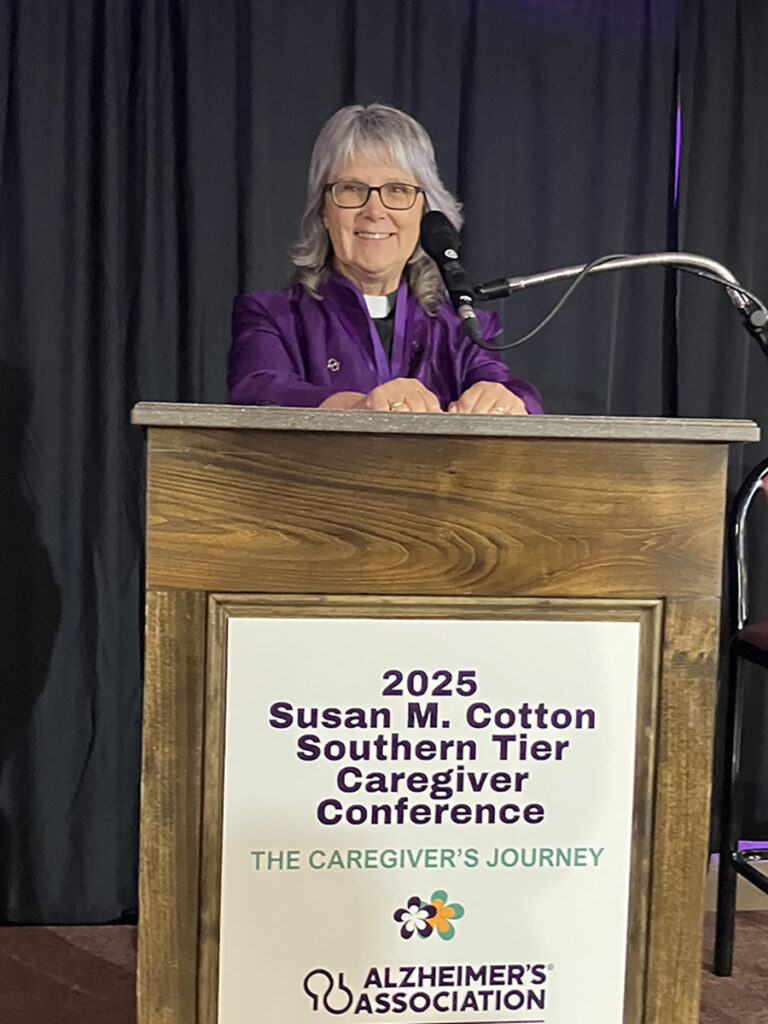
AN INVITATION TO SPEAK: I don’t know about you, but I am honored (and excited) whenever I get an invitation to speak at an event. I want it to go well for the organization and for myself and so, I use my SPEAKER’S REQUEST FORM to keep track of information about the event, what I need to do and the information that I need about the event and logistics in order to make it a great experience for myself, the organizers and the attendees. Let’s get started.
GET READY: Collecting information. I always write down the name of the person and the organization asking me to speak at their event. It’s important for me to remember my Point of Contact and all relevant contact. The Point of contact is my “go to person” for the event and that might be different from the person who invited me. I like to have their mailing address so that I can write a “thank you note” after the event is over.
THE 5 W’S: Who, What, When, Where, & Why!
Who is asking you to speak and what organization are they from?
What is the event for? A professional conference is very different than speaking at a local senior citizens center. Is the event “in person” or “online?
When will take place? If virtual, will the event will be held in a different time zone? I want the date, the time, and other information so I can know what to expect and prepare.
Where is the event being held? How will I get there?
What kind of venue is it? Speaking in a large auditorium is a very different experience than speaking to a small group in a local library. I like to know how big the room is, so I will know if I will need a microphone! I like to know if I will be on a stage and how I will get up and down from that stage. I like to know the approximate number of people to expect. I would also like to know who else will speaking/presenting at the event.
Why ME? What’s My Role? It’s important for me to understand why I have been invited to participate in the event and what perspectives I will be sharing! For example, am I speaking from my perspective as a research participant? As a care partners? As a person living with a diagnosis? As an artist or author? As a patient advocate panelist? As a Research design authority? As an Artist? It’s helpful to know if the organizers want me to speak about my journey of living with a diagnosis- or if they would like me to talk about the latest developments in Alzheimer’s research. I want to know about my speaker’s time slot: 5 minutes? An Hour? Giving a keynote address is very different that weighing in during a panel discussion. I also like to know WHEN in the program I will be speaking and who will be introducing me. If I am giving a virtual talk in a different time zone, I pay extra attention to start and end times.
Who will be there? I like to know who is expected to be in the audience. Researchers? Medical Students? People living with Alzheimer’s or a related dementia? Care partners? Community helpers?
What is my goal? Will I be presenting an informative, data-driven piece, a testimony of my personal lived experience, or something else? Is there an overarching focus of the program that I want to align my messaging with?
Visuals add to your presentation. Do I need to send in slides for a PowerPoint presentation? Sometimes, organizations may have a specific template for slides; if this is the case, I need to know, and I need access to it. If I have any questions or concerns, I make sure to list them out so I know exactly what information I need to succeed.
What I need to send the organizers? Does the organization want me to send them a bio, a photo (portrait, a biography, a resume (for their publicity). Do I need to send my slide deck, or even a written transcript of my speech? Some events may have their own template for slides that speakers are required to follow. Having a checklist helps me anticipate what materials I’ll need to provide, along with their due dates.
Get ready! Get set! Go! It’s important to include the meeting location and contact details for my travel liaison including the physical address, building number, floor number, and/or room number. There are a number of other things I need to consider for these events that wouldn’t apply to virtual meetings. For example: will there be a dress code? Where can I park? Will I need transportation to from the event?
Expect the unexpected: Things will happen that will throw the time schedule off. The fire alarm may go off! A member of the audience could get sick and faint. One time, as I began my talk, the wait staff started serving coffee, and dessert. It was so loud and I couldn’t hear myself think. So I stopped and waited until the servers were done and things got quiet. When uncomfortable situations arise, it’s important to remind ourselves of what we can control and what we can’t! I will stop speaking or pause my talk if I feel uncomfortable and assess the situation. Remember, it is what it is.
TESTING 1,2,3: Facilities and equipment vary widely from event to event, but this checklist covers some of the most common items you may use or need for a speaking engagement. I make sure I know who to speak to in case of technical difficulties by writing down their contact information. One important aspect to consider is where a screen will be in relation to me. I don’t want to always turn my head. I like to know what type of microphone (hand-held, clip on, etc.) I will be using and whether I will be able to clip it to my belt or slip it in a pocket.
DRESS FOR SUCCESS: What will you wear to YOUR event? Speaking at a picnic is different than speaking at a black-tie event. Does the organization have a special color- for example, the Alzheimer’s Association, uses a lot of purple in their advertising. Dress for the occasion. Bringing a sweater and comfortable shoes can be helpful if a venue is cold, or a lot of walking is required. Speakers who wear skirts may also feel less comfortable sitting down unless a table with a tablecloth is provided to sit behind.
COMPENSATION/MISC: Different events have a variety of different moving parts to consider, including keeping itemized receipts, signing release forms, and submitting expenses for reimbursement, among others. This section includes some of the most common things for speakers might keep track of at an event. Writing down important forms, rules, and specific audience feedback can help me keep track of key details I might otherwise have trouble remembering.
LET YOUR HOSTS KNOW WHAT YOU NEED TO SUCCEED!! The worksheet includes some checklists of the things I need and can advocate for at a speaking engagement. You’ll see that they are divided into four categories; communication, accessibility, and speaking needs.
COMMUNICATION NEEDS: may include the best way to communicate with me: by phone, email, text, etc.
ACCESSIBILITY NEEDS: Detail what speakers may need to have in place in order to participate fully in in-person events. These may include having accessible parking, an accessible bathroom, ramps, handrails or mobility aids. If the venue is not accessible, the speaker may not be able speak at there. It’s important for ALL OF US to advocate for ourselves and to work with the individual who is extending to do what they can to meet our specific needs.
YOU DID IT!! HOORAY!!
FOLLOW UP: After your speaking event is over, make sure that you thank the organizers for the opportunity of speaking at their event. Make sure you submit your paperwork (i.e. expenses) in a timely manner. Also, this is a good time to make notes for yourself of things that went particularly well and things you would like to change at future speaking events.
The ACTC Research Partnership Alliance is here to support you! Please let us know if you have questions or if you found these materials helpful. Or you can email us to celebrate your success!
Contact Sarah Walter: waltersa@usc.edu